

Recovering from muscle injuries can be a long and frustrating journey. Whether the cause is a sports injury, overuse, or a sedentary lifestyle, proper rehabilitation is essential for restoring strength, mobility, and function. Many individuals today are turning to modern therapies that complement natural healing, and one such effective option is electrotherapy treatment. This method uses controlled electrical impulses to activate muscles, reduce pain, and speed up recovery. It is safe, non-invasive, and suitable for people of all ages who want to regain physical balance and strength.
Muscle rehabilitation focuses on restoring normal muscle function after injury or strain. When muscles are damaged, they may lose strength, flexibility, or coordination. Without proper rehabilitation, this can lead to chronic pain or recurring injuries. Rehabilitation typically includes a combination of exercises, manual therapy, and advanced technologies that stimulate healing.
Electrotherapy is one of the most beneficial additions to this process. It uses targeted electrical impulses to encourage muscle fibers to contract and relax, promoting circulation and tissue repair. When applied by trained professionals, this therapy helps restore natural movement patterns and reduce the discomfort that often slows down recovery.
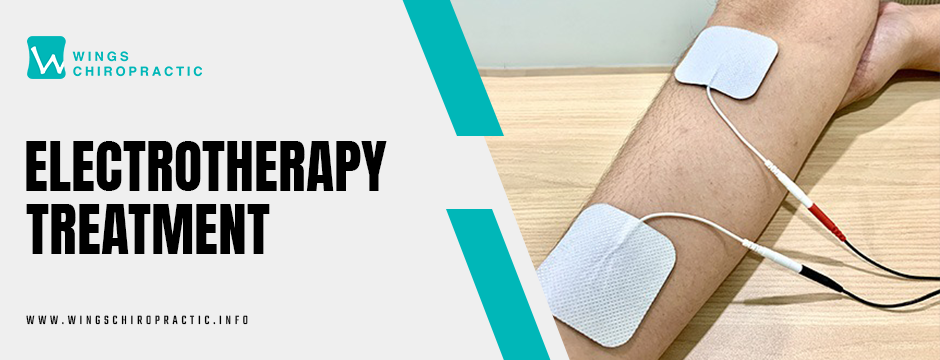
Electrotherapy works by delivering low-voltage electrical currents through electrodes placed on the skin. These currents reach the nerves and muscles underneath, activating them in a way similar to natural muscle contractions. The process helps improve blood flow, remove toxins, and stimulate the release of endorphins, the body’s natural pain relievers.
Different types of electrotherapy are used depending on the individual’s condition. For example, Transcutaneous Electrical Nerve Stimulation (TENS) is commonly used for pain control, while Electrical Muscle Stimulation (EMS) helps strengthen weak or inactive muscles. The controlled stimulation encourages faster recovery by maintaining muscle activity even when physical movement is limited due to injury or pain.
Good blood circulation is essential for healing damaged muscles. Electrotherapy increases local blood flow by causing rhythmic muscle contractions, which help deliver oxygen and nutrients to the injured area. Improved circulation also helps clear out metabolic waste that contributes to inflammation and soreness. Over time, this process supports faster tissue repair and reduces recovery time.
When muscles receive consistent oxygen and nutrient supply, they regain strength more efficiently. This makes electrotherapy especially valuable for individuals recovering from strains, sprains, or post-surgical stiffness.
Pain and inflammation are two major obstacles during muscle rehabilitation. Electrotherapy treatment helps address both by interrupting pain signals sent to the brain and stimulating the release of endorphins. This provides natural pain relief without the need for medication.
Additionally, the gentle stimulation helps reduce swelling by promoting lymphatic drainage. This decreases pressure around the injured area and improves comfort, allowing individuals to begin physical exercises earlier in their recovery. With less pain and inflammation, the body can focus more effectively on repairing damaged tissues.
After an injury, it is common for muscles to weaken or shrink due to lack of use, a condition known as muscle atrophy. This can slow down recovery and make it harder to return to normal activities. Electrotherapy helps prevent this by keeping the muscles active through electrical stimulation.
Even if a person cannot perform regular exercises because of pain or limited movement, electrotherapy ensures that muscles continue to contract, maintaining strength and tone. This makes it an excellent option for individuals recovering from fractures, surgeries, or immobilization due to injury. By keeping the muscles engaged, the therapy reduces the risk of long-term weakness and stiffness.
Once pain and inflammation are under control, the next goal of rehabilitation is to restore strength and function. Electrotherapy assists in this phase by helping muscles relearn proper contraction patterns. The electrical impulses stimulate both deep and surface muscle fibers, improving coordination and endurance.
Athletes and active individuals often benefit from this, as it helps retrain muscles that may have been inactive for a while. Combined with guided physical therapy exercises, electrotherapy helps build stability, strength, and flexibility, leading to a quicker and more complete recovery.
Sometimes, injuries affect not only muscles but also the nerves that control them. Electrotherapy can help re-establish communication between nerves and muscles, particularly when there has been nerve damage or reduced sensitivity. By stimulating the nerves, this treatment encourages the body to restore proper neurological pathways.
This is crucial for individuals experiencing numbness or weakness after injury. As nerve signals improve, muscle coordination and balance also return, allowing smoother and more controlled movement.
One of the biggest advantages of electrotherapy treatment is that it is non-invasive. There are no medications or surgeries involved, making it safe for people with varying health conditions. The treatment can be customized to suit different pain levels, muscle groups, and recovery stages.
It is also gentle enough for older adults who may not tolerate intensive physical therapy sessions. For many, it serves as an effective alternative or complement to other rehabilitation techniques, offering consistent results without harmful side effects.
Muscle rehabilitation doesn’t end once pain subsides. Long-term recovery focuses on preventing reinjury and maintaining muscle health. Regular electrotherapy sessions can help maintain proper muscle tone and promote circulation, keeping tissues flexible and resilient.
The therapy also supports postural balance by relaxing tight muscles and activating weaker ones, creating a more stable foundation for movement. Over time, this balance reduces the likelihood of recurring pain or strain, allowing individuals to enjoy a more active lifestyle with confidence.
A typical electrotherapy session is comfortable and simple. Electrodes are placed on the skin near the affected area, and a mild electrical current is applied. Most people feel a gentle tingling or pulsing sensation, which should not cause pain. The therapist adjusts the intensity based on comfort and the desired effect.
Sessions usually last between 15 and 30 minutes, depending on the area being treated. Many individuals notice reduced stiffness and pain after the first few treatments, while long-term improvements develop over several sessions. Combined with stretching, strengthening exercises, and good nutrition, electrotherapy forms a complete rehabilitation plan that supports lasting wellness.
This therapy is suitable for a wide range of individuals, including athletes recovering from training injuries, workers dealing with repetitive strain, and those experiencing muscle weakness after surgery or immobility. It is also beneficial for managing chronic conditions like arthritis, tendonitis, or fibromyalgia, where ongoing muscle pain and fatigue are common.
Because it can be tailored to each person’s condition, electrotherapy fits easily into most rehabilitation programs, making it one of the most adaptable treatment methods available today.
Electrotherapy offers an intelligent and efficient way to rebuild muscle strength, relieve pain, and enhance recovery. It addresses multiple aspects of healing, from reducing inflammation to restoring nerve and muscle function. When applied with proper guidance, it becomes a vital part of a complete rehabilitation journey.
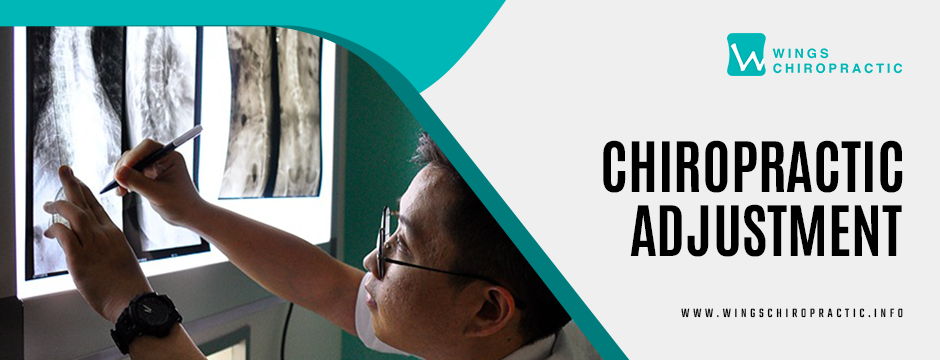
At Wings Chiropractic, your healing and well-being are our top priority. The clinic combines modern technology with expert care through advanced electrotherapy services, including TENS (Transcutaneous Electrical Nerve Stimulation) therapy. This gentle, low-voltage electrical treatment helps stimulate nerves, reduce pain, ease muscle tension, and restore natural balance. When paired with a professional chiropractic adjustment, it enhances overall effectiveness, offering a deeper and more lasting sense of relief. Whether you’re seeking to recover from injury, release chronic discomfort, or improve mobility, Wings Chiropractic provides a comprehensive, non-invasive path to better health and well-being.
If you are recovering from a muscle injury or dealing with persistent discomfort, incorporating electrotherapy treatment into your recovery plan can help you regain control over your body’s healing process. It provides a safe, science-backed, and effective way to restore mobility, improve muscle strength, and support long-term physical well-being.


